
- 16 Hospitalslisted in India
- 9 Specialistswith full profiles
- Personal CareCoordinator
- Safe & SecureRecord upload
Neurosurgery in India
Brain tumour, aneurysm and epilepsy surgery — where the surgeon matters more than the equipment list.
Overview
Every neurosurgical brochure lists the same equipment: neuro-navigation, intra-operative MRI, Gamma Knife, CyberKnife. The list is real, and it is also close to meaningless on its own. What determines how a brain operation goes is the surgeon's judgement about how much to remove and when to stop — and, for tumours near speech or motor areas, whether the unit has the anaesthetic and monitoring team to do the operation with you awake.
So the question worth asking is narrower than "does this hospital have an iMRI". It is: how many of this specific operation does this surgeon do a year, and does this unit routinely run awake craniotomies and intra-operative neuromonitoring? Those two answers separate units far more reliably than the equipment inventory does.
Our partner neuro units handle tumour surgery — gliomas, meningiomas, pituitary adenomas via the endoscopic endonasal route, acoustic neuromas — along with aneurysm clipping and endovascular coiling, arteriovenous malformations, surgery for drug-resistant epilepsy including temporal lobectomy, deep brain stimulation for Parkinson's, hydrocephalus shunting and endoscopic third ventriculostomy, and the paediatric neurosurgical range.
Radiosurgery deserves a note of its own. Gamma Knife and CyberKnife are not smaller versions of open surgery; they are a different treatment with different indications. For small acoustic neuromas, some metastases and certain AVMs they are genuinely the better option. For a large tumour causing pressure, they are not an alternative at all. If someone offers you radiosurgery for a lesion that is compressing brain tissue, get another opinion.
Why consider India for Neurosurgery?
Neurosurgical capacity is the practical draw. India trains a large number of neurosurgeons and its major units operate daily, so a tumour that would sit on a list for months elsewhere gets a date in weeks. For a growing lesion, the calendar is not an administrative detail — it is part of the clinical picture.
Cost follows the same pattern as the rest of Indian surgery. A craniotomy for tumour that runs $50,000-$100,000 in the United States is typically $4,500-$8,000 here, and aneurysm treatment shows a similar gap. Because neurosurgical admissions can extend unpredictably, the ratio matters more in this field than in most: an extra week of neuro-ICU is survivable financially here in a way it often is not elsewhere.
The units we work with also do the unglamorous part properly — neuro-rehabilitation. After tumour or stroke surgery, physiotherapy, speech therapy and occupational therapy are what convert a technically successful operation into a functional recovery, and having them in the same building rather than referred out three weeks later makes a measurable difference.
The caution here is specific: not every brain lesion should be operated on. A brainstem tumour, a diffuse low-grade glioma in an eloquent area, or an incidental small meningioma in an elderly patient may be better watched or irradiated. A surgeon who recommends observation is not being unhelpful.
Key benefits
- Named neurosurgeon with case volume for your specific procedure, in writing
- Awake craniotomy and intra-operative neuromonitoring available for eloquent-area tumours
- Endoscopic endonasal pituitary surgery, aneurysm clipping and coiling both offered
- Gamma Knife and CyberKnife where radiosurgery is genuinely the right choice
- Neuro-rehabilitation — physio, speech and occupational therapy — in the same hospital
- Typical surgical date within two to three weeks, sooner for urgent lesions
Outcomes
Outcomes depend on the individual case. Ask the treating specialist what to expect for you.
Neurosurgery cost in India
Craniotomy for tumour removal typically runs $4,500-$8,000. Endoscopic pituitary surgery falls around $4,000-$6,500. Aneurysm clipping is usually $5,000-$8,000, while endovascular coiling is often higher — $7,000-$12,000 — because the coils and flow diverters themselves are expensive. Gamma Knife or CyberKnife radiosurgery generally runs $4,000-$7,000 per session, and a VP shunt around $2,500-$4,000.
Neurosurgery is the specialty where the gap between quote and final bill opens most often, because ICU stay is the variable. Ask what the daily neuro-ICU rate is beyond the packaged days, and what a return to theatre would cost. A unit that answers precisely has thought about it before.
Planning estimates in US dollars, not quotes. The final price is set only after the hospital reviews your records.
Neurosurgery treatments and procedures
Hospitals for Neurosurgery
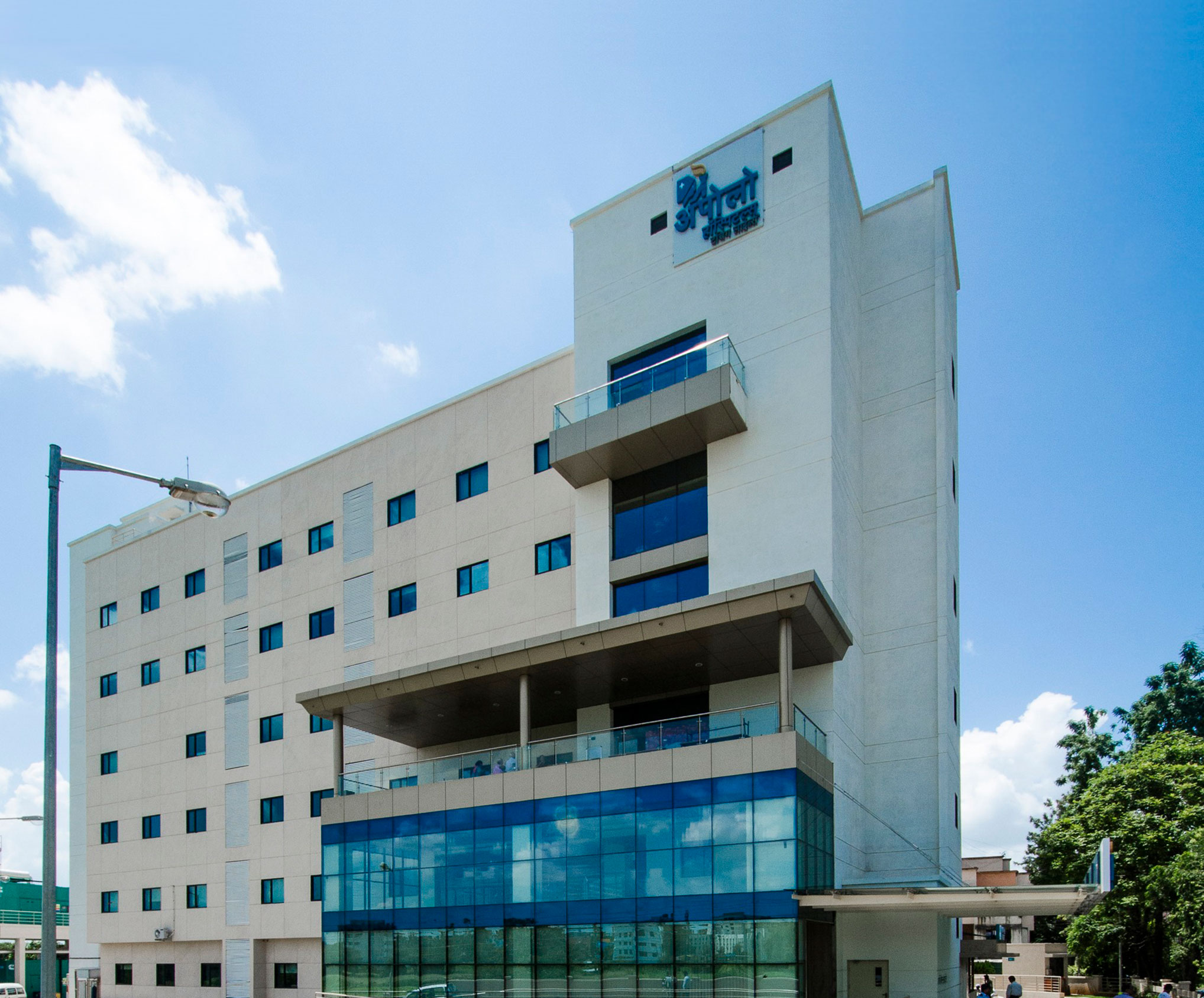 Indraprastha Apollo Hospitals New Delhi
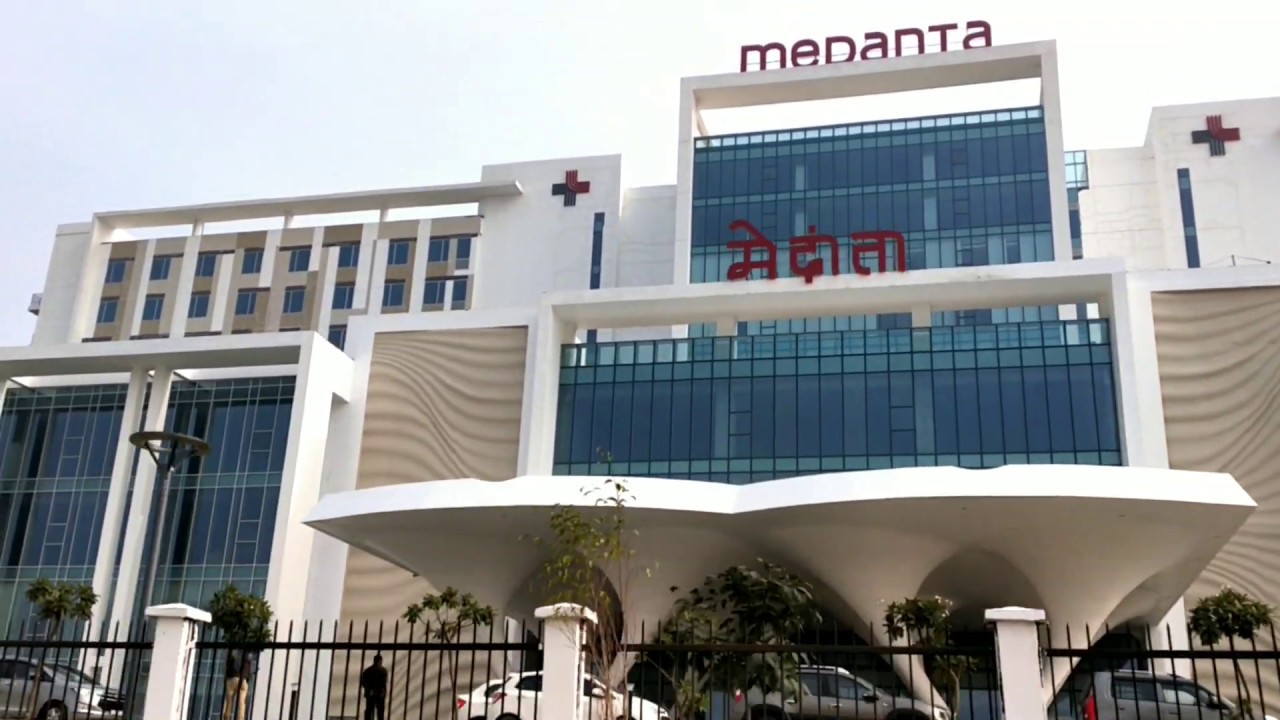 Medanta - The Medicity Gurugram
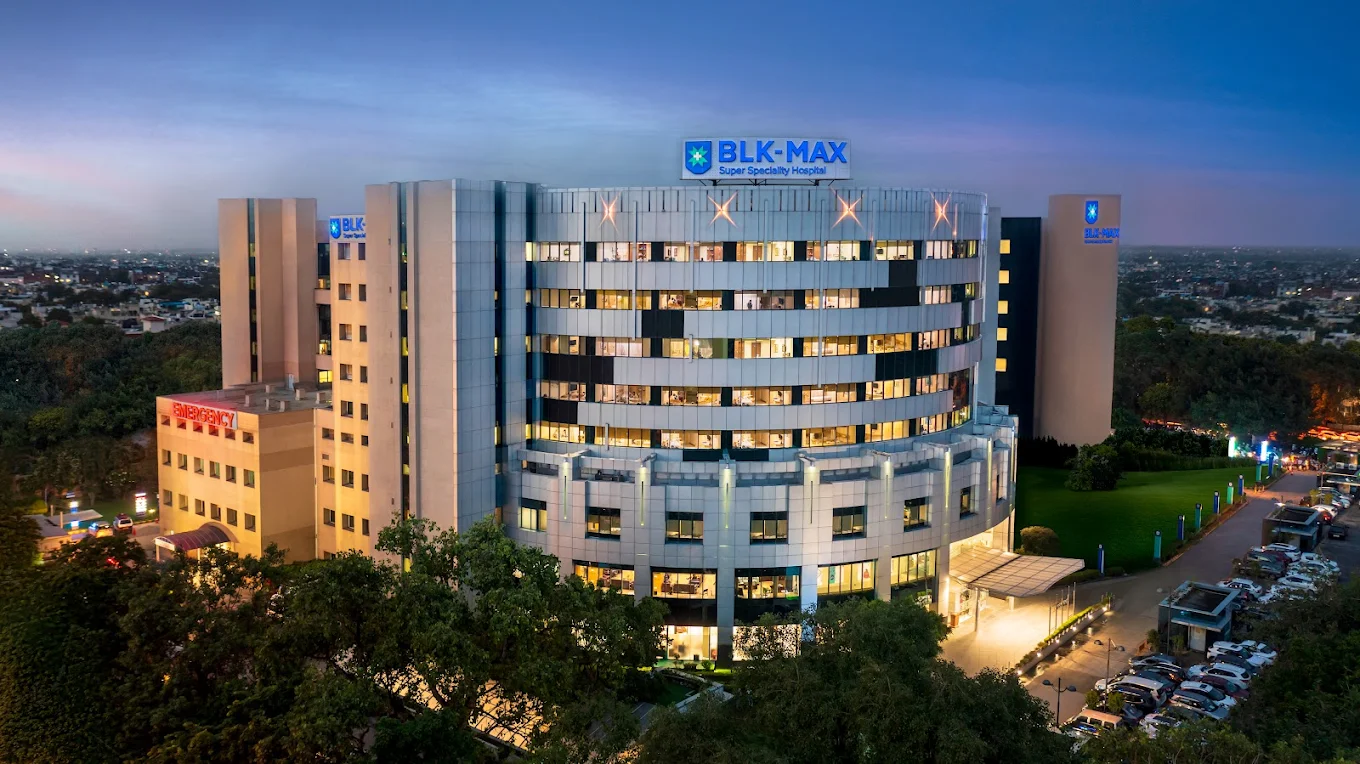 BLK-Max Super Speciality Hospital New Delhi
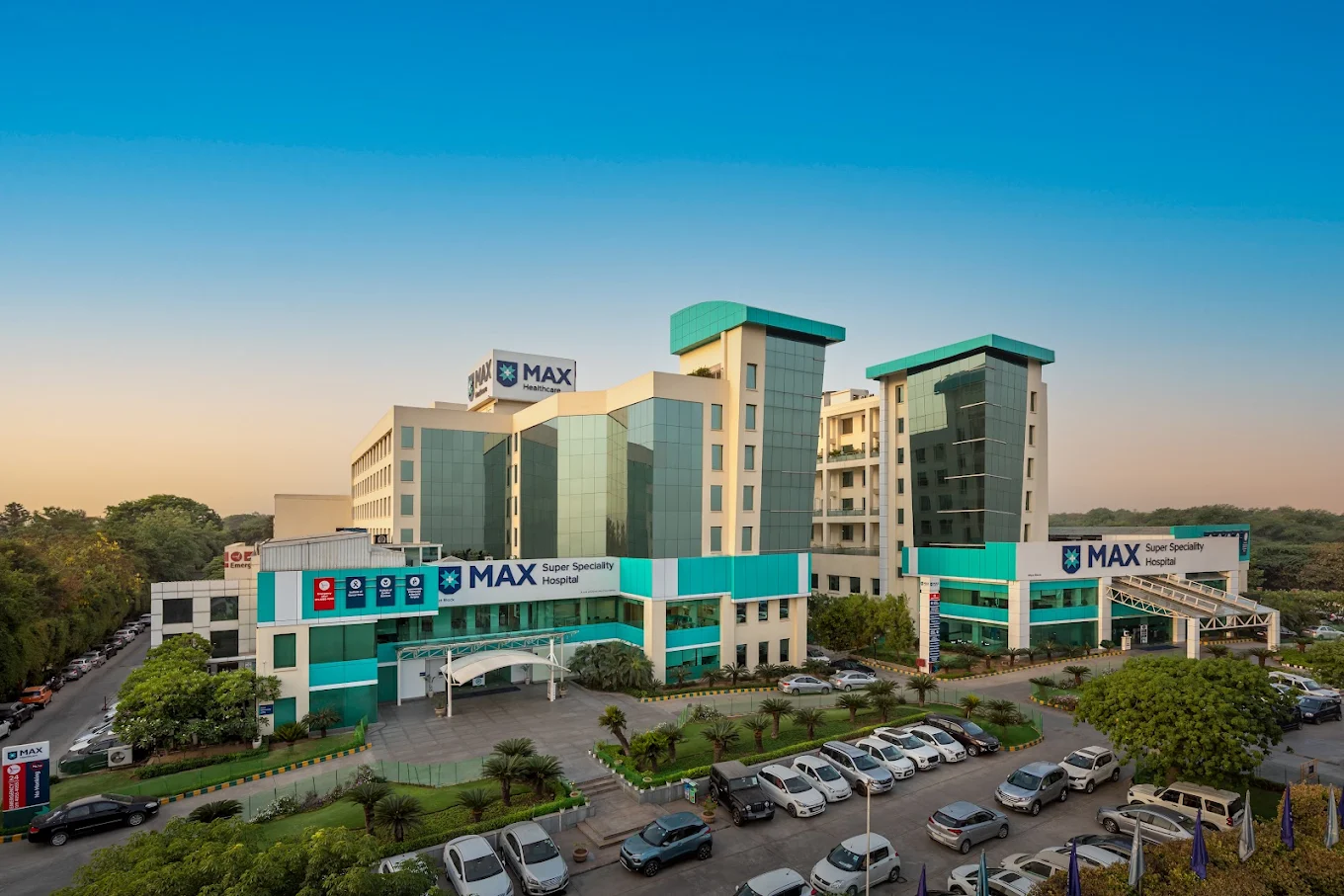 Max Super Speciality Hospital, Saket New Delhi
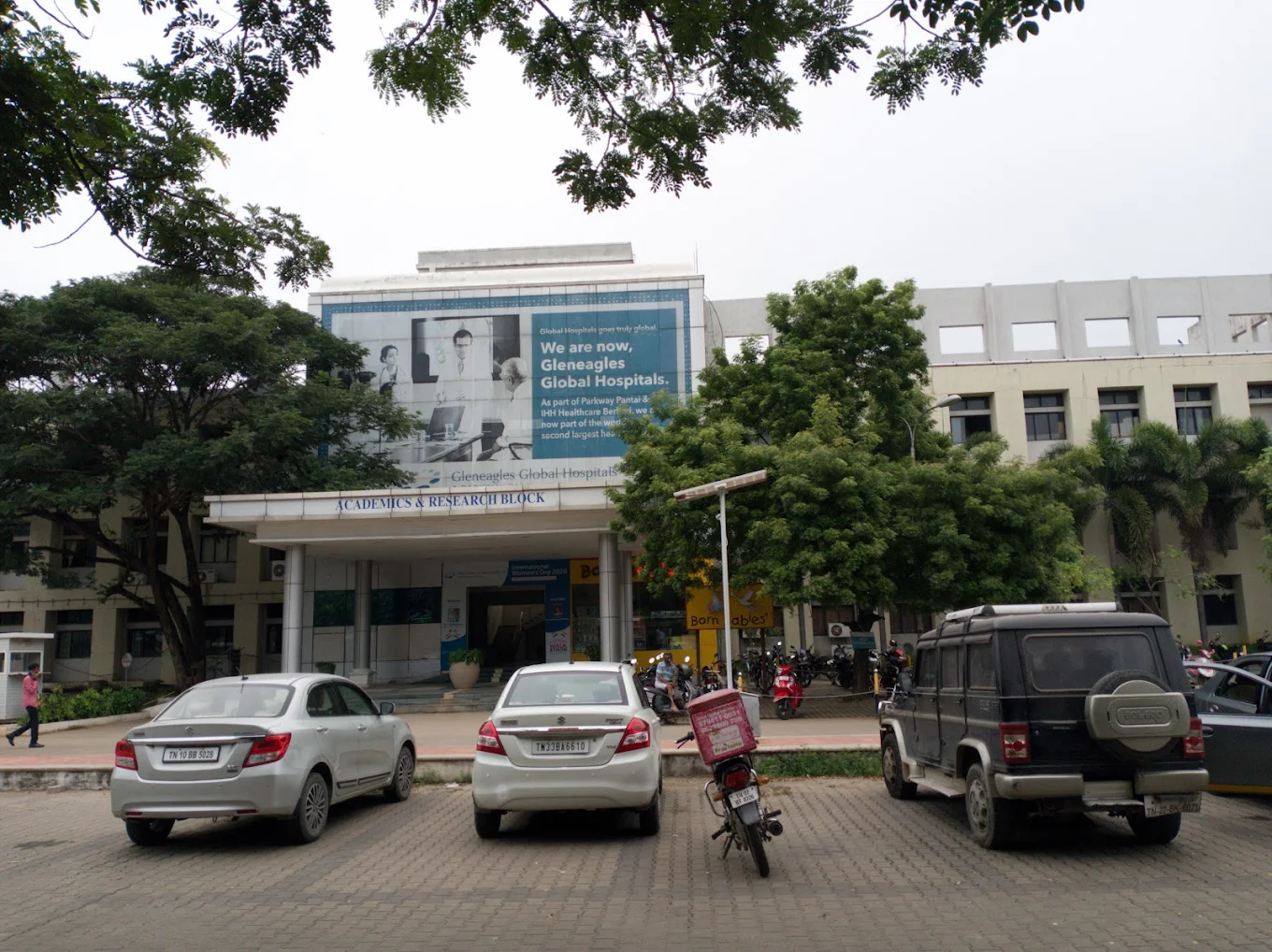 Gleneagles Global Health City Chennai
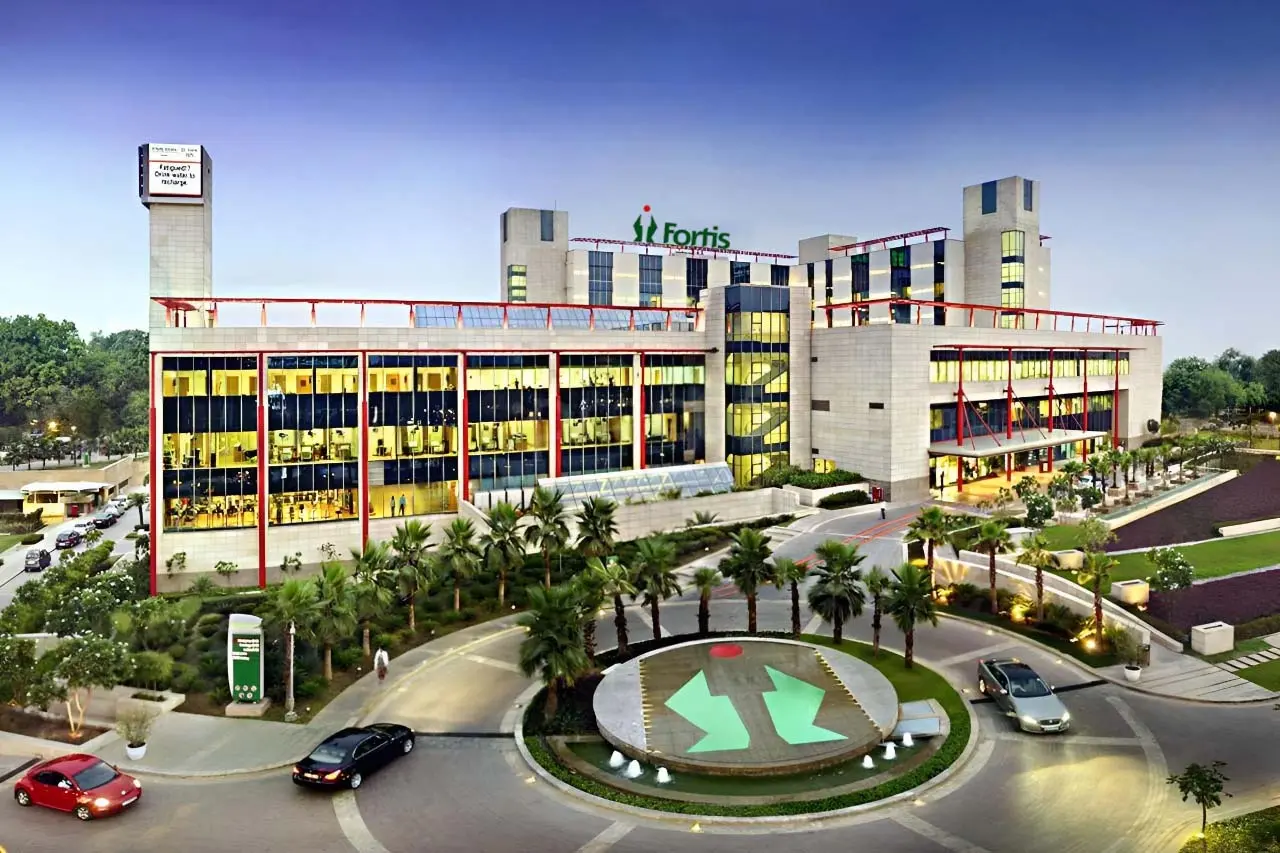 Fortis Memorial Research Institute Gurugram
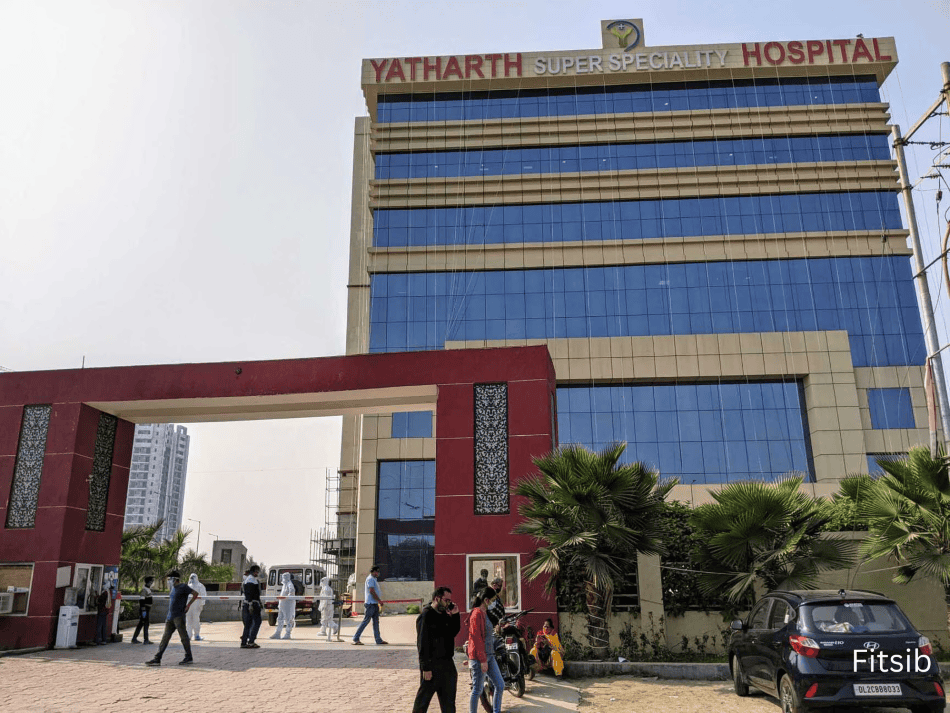 Yatharth Super Speciality Hospital, Noida Sector 110 Noida
Fortis Escorts Heart Institute New Delhi
Fortis Hospital Noida Noida
Manipal Hospital Dwarka New Delhi
Yatharth Super Speciality Hospital, Noida Sector 110 Noida
Fortis Escorts Heart Institute New Delhi
Fortis Hospital Noida Noida
Manipal Hospital Dwarka New Delhi
Neurosurgery doctors
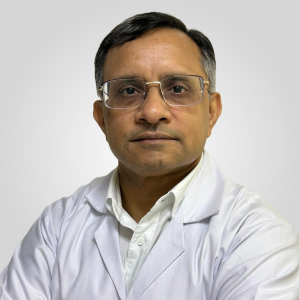
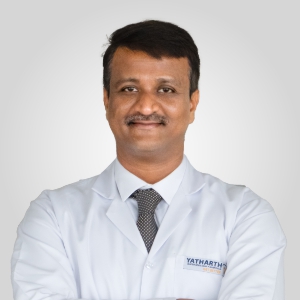
Frequently asked questions
How do I judge a neurosurgeon from another country?
Is Gamma Knife an alternative to open surgery?
How long before I can fly home?
Will I need rehabilitation, and for how long?
What if the tumour cannot be fully removed?
Can epilepsy surgery be done as an international patient?
Planning Neurosurgery in India?
Share your records for a written planning estimate. A clinician reviews them before any plan or price is final.