
- 16 Hospitalslisted in India
- 9 Specialistswith full profiles
- Personal CareCoordinator
- Safe & SecureRecord upload
Joint Replacement in India
Knee and hip replacement — the implant, the surgeon and the three weeks that decide how well it works.
Overview
Joint replacement is the most predictable operation on this site. The indication is usually obvious — an X-ray showing bone on bone, pain that wakes you, a walking distance that has shrunk to a few hundred metres — and the result is reliable enough that the conversation moves quickly to practical matters: which implant, which surgeon, how long you stay, and what recovery actually involves.
Take the practical part first, because it surprises people. You will be stood up and walking, with a frame or sticks, on the day of surgery or the day after. Hospital stay is typically three to five days. What takes time is not the walking but the strength and the range of movement, and that is physiotherapy over six to twelve weeks. A knee replacement done perfectly and rehabilitated badly produces a stiff, disappointing knee.
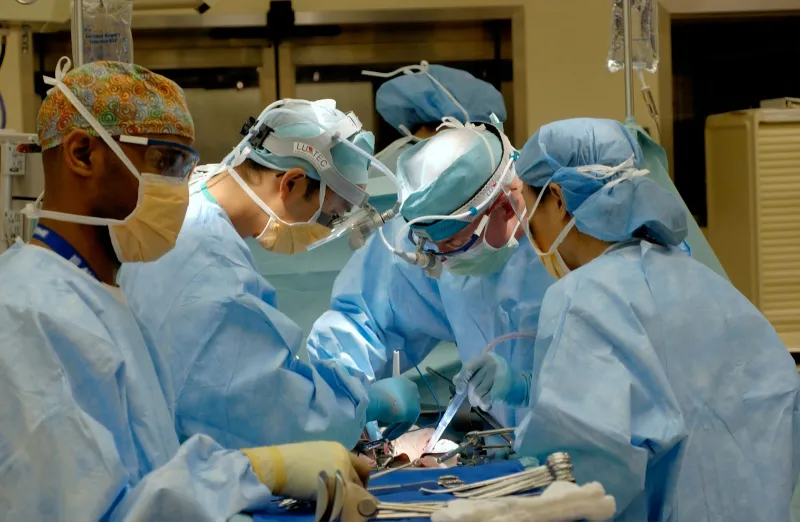
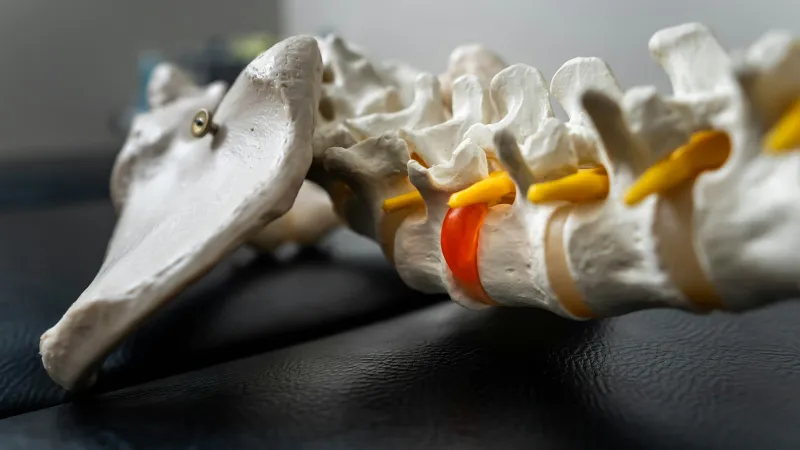
Our partner units perform total and partial knee replacement, total hip replacement using both cemented and uncemented implants, hip resurfacing in selected younger patients, bilateral procedures done in one sitting or staged, revision of failed replacements, and shoulder replacement. Computer-navigated and robotic-assisted systems are available in several centres.
On robotics, an honest note: robotic assistance improves the precision of implant positioning, and the published evidence for that is good. Whether it improves how the joint feels to the patient ten years later is not yet settled. It is a reasonable thing to choose and a reasonable thing to decline — but it should not be the reason you pick a hospital over a surgeon with a better record.
Why consider India for Joint Replacement?
Volume and price together. Knee and hip replacement is the highest-volume major elective procedure in Indian private hospitals, so the surgical teams, the theatre routines and the rehabilitation pathways are well drilled. A total knee replacement quoted at $30,000-$50,000 in the United States is typically $4,000-$6,500 here, using implants from the same international manufacturers.
The implant point is worth pressing on, because it is where people worry most. Ask for the manufacturer and model in writing, and check it is the same one you would be offered at home. Reputable Indian hospitals use DePuy, Zimmer Biomet, Stryker and Smith & Nephew implants and will name them without hesitation. A quote that will not specify the implant is a quote to walk away from.
Bilateral surgery is also more practical here. If both knees need replacing, doing them in one admission — either the same day or a few days apart — means one trip, one recovery period and one set of flights. That is a harder thing to arrange in systems where each joint is its own waiting-list entry.
The realistic limit: joint replacement suits people who are otherwise well enough for a general anaesthetic and motivated enough to do the rehabilitation. Significant obesity, uncontrolled diabetes and active infection all raise the risk of the complication that matters most — infection of the implant — and a surgeon who asks you to address those first is protecting your result.
Key benefits
- Implant manufacturer and model named in the written quote
- Bilateral knee or hip replacement in a single trip where suitable
- Robotic and computer-navigated options available, without being pushed
- Many patients walk with support within a day or two; the surgical team sets the length of stay
- Structured in-house physiotherapy through the critical first weeks
- Revision surgery for failed or loosened previous replacements
Outcomes
Outcomes depend on the individual case. Ask the treating specialist what to expect for you.
Joint Replacement cost in India
Total knee replacement typically runs $4,000-$6,500 per knee, and total hip replacement $4,500-$7,000. Bilateral knees done in one admission usually come to $7,000-$11,000 rather than double. Robotic assistance adds roughly $800-$1,500. Revision surgery is significantly more, commonly $7,000-$12,000, because the implants are more complex and the operation is longer.
The implant is the single biggest variable inside those figures. Ask which implant the quote is based on and what the difference in price and expected life is for the alternatives offered — that is a fair question and a good surgeon will answer it in plain terms rather than steering you to the most expensive option.
Planning estimates in US dollars, not quotes. The final price is set only after the hospital reviews your records.
Joint Replacement treatments and procedures


Hospitals for Joint Replacement
 Indraprastha Apollo Hospitals New Delhi
 Medanta - The Medicity Gurugram
 BLK-Max Super Speciality Hospital New Delhi
 Max Super Speciality Hospital, Saket New Delhi
 Gleneagles Global Health City Chennai
 Fortis Memorial Research Institute Gurugram
 Yatharth Super Speciality Hospital, Noida Sector 110 Noida
Yatharth Super Speciality Hospital, Noida Extension Noida
Yatharth Super Speciality Hospital, Noida Sector 110 Noida
Yatharth Super Speciality Hospital, Noida Extension Noida
Joint Replacement doctors
Frequently asked questions
How long do I need to stay in India?
Which implant should I choose?
Is robotic knee replacement worth the extra cost?
Can both knees be replaced at once?
What can I not do after a knee replacement?
What happens if the joint gets infected later?
Planning Joint Replacement in India?
Share your records for a written planning estimate. A clinician reviews them before any plan or price is final.