
- 16 Hospitalslisted in India
- 9 Specialistswith full profiles
- Personal CareCoordinator
- Safe & SecureRecord upload
Cardiac Surgery in India
Bypass, valve and paediatric heart surgery — with a date, a price and a surgeon you can check before you fly.
Overview
Most people arrive at this page holding a report and a problem. A cardiologist has said the blockages need bypass rather than another stent, or that a valve has narrowed far enough to need replacing — and the options at home are a waiting list measured in months, a private quote that is out of reach, or a hospital that does four of these operations a year.
Heart surgery is the single most common reason international patients travel to India, and it is the field where the country's hospitals have the deepest bench. The high-volume cardiac units in Delhi NCR, Chennai, Bengaluru and Hyderabad run operating lists every weekday. That volume matters more than any brochure: for cardiac surgery, the relationship between how often a unit does an operation and how well its patients do is one of the better-established findings in the literature.
The procedures the hospitals listed on YourHeal handle most often are coronary artery bypass grafting — both on-pump and beating-heart — aortic and mitral valve repair or replacement, including tissue and mechanical valves, and the paediatric repairs: ASD, VSD, tetralogy of Fallot, and staged single-ventricle surgery. Angioplasty and stenting, pacemakers, ICDs and ablation are done alongside, so if the plan changes once a surgeon reviews your angiogram, you have not travelled to the wrong place.
What we do before you commit to anything: send your angiogram, echo and recent bloods to two units, get both to put a named surgeon, a proposed procedure and an itemised price in writing, and give you the two side by side. If they disagree about what you need — which happens, particularly on the stent-versus-bypass question — you should see that disagreement rather than have us pick for you.
Why consider India for Cardiac Surgery?
The honest answer is price and calendar, in that order. A bypass that is quoted at $80,000-$150,000 in the United States and £20,000-£30,000 privately in the UK is typically $5,500-$9,000 in India, and the gap is not explained by a cheaper implant. It is salaries, land, and the fact that a surgeon operating four days a week amortises a theatre very differently from one operating four times a month.
The second reason is that you are not queuing. For a stable patient, a date two to three weeks out is normal, and urgent cases are taken faster. For a family watching a parent decline while a public-sector list moves, that is often the whole decision.
Three practical things also make the trip workable. English is the working language of Indian medicine, so you will not be reading a consent form through an interpreter. The medical visa route is well-trodden, and hospitals issue the invitation letter that embassies ask for. And an attendant is expected rather than tolerated — a companion bed in the room is standard, which matters when recovery runs two weeks.
What India is not is a shortcut around risk. A redo sternotomy, a poor ejection fraction, uncontrolled diabetes or significant kidney disease carry the same weight here as anywhere. A unit that reviews your file and tells you the risk is higher than you were led to believe is doing its job.
Key benefits
- Named surgeon and a written, itemised quote before you book a flight
- Second opinion from an independent unit on the stent-versus-bypass question
- Typical date within two to three weeks; urgent cases prioritised
- Beating-heart, minimally invasive and redo procedures all available
- Medical visa invitation letter issued directly by the hospital
- Attendant bed, airport pickup and interpreter arranged as standard
Outcomes
Outcomes depend on the individual case. Ask the treating specialist what to expect for you.
Cardiac Surgery cost in India
Bypass typically runs $5,500-$9,000, single valve replacement $6,000-$10,500, and double valve or a combined bypass-and-valve procedure $9,000-$14,000. Angioplasty with stents usually falls between $3,000 and $6,000 depending on how many stents and which type. Paediatric repairs vary too widely by defect to quote a single band.
Those figures normally cover surgery, the surgeon and anaesthetist, ICU and ward stay, routine investigations and medicines during admission. They normally exclude flights, accommodation before admission and after discharge, and anything triggered by a complication — a longer ICU stay, dialysis, a re-exploration. Ask for the quote to state its own exclusions; a hospital that writes them down is easier to trust than one that leaves them implied.
Planning estimates in US dollars, not quotes. The final price is set only after the hospital reviews your records.
Cardiac Surgery treatments and procedures
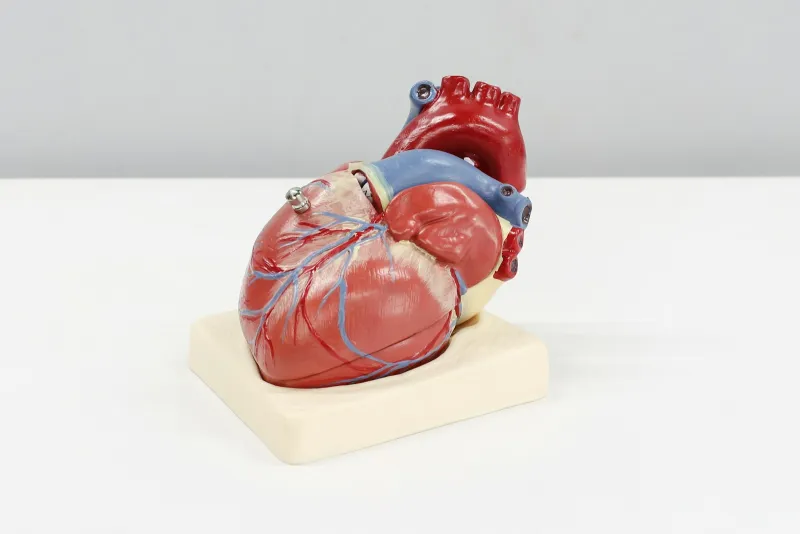
Hospitals for Cardiac Surgery
 Indraprastha Apollo Hospitals New Delhi
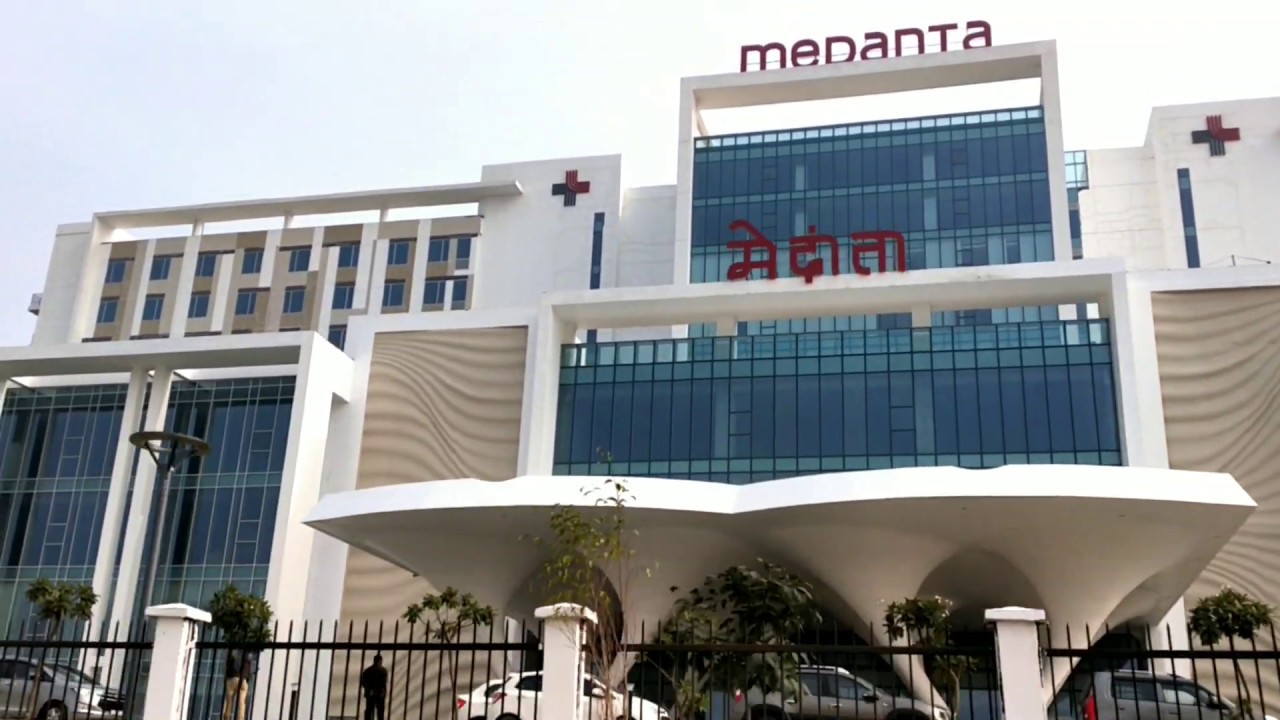 Medanta - The Medicity Gurugram
 BLK-Max Super Speciality Hospital New Delhi
 Max Super Speciality Hospital, Saket New Delhi
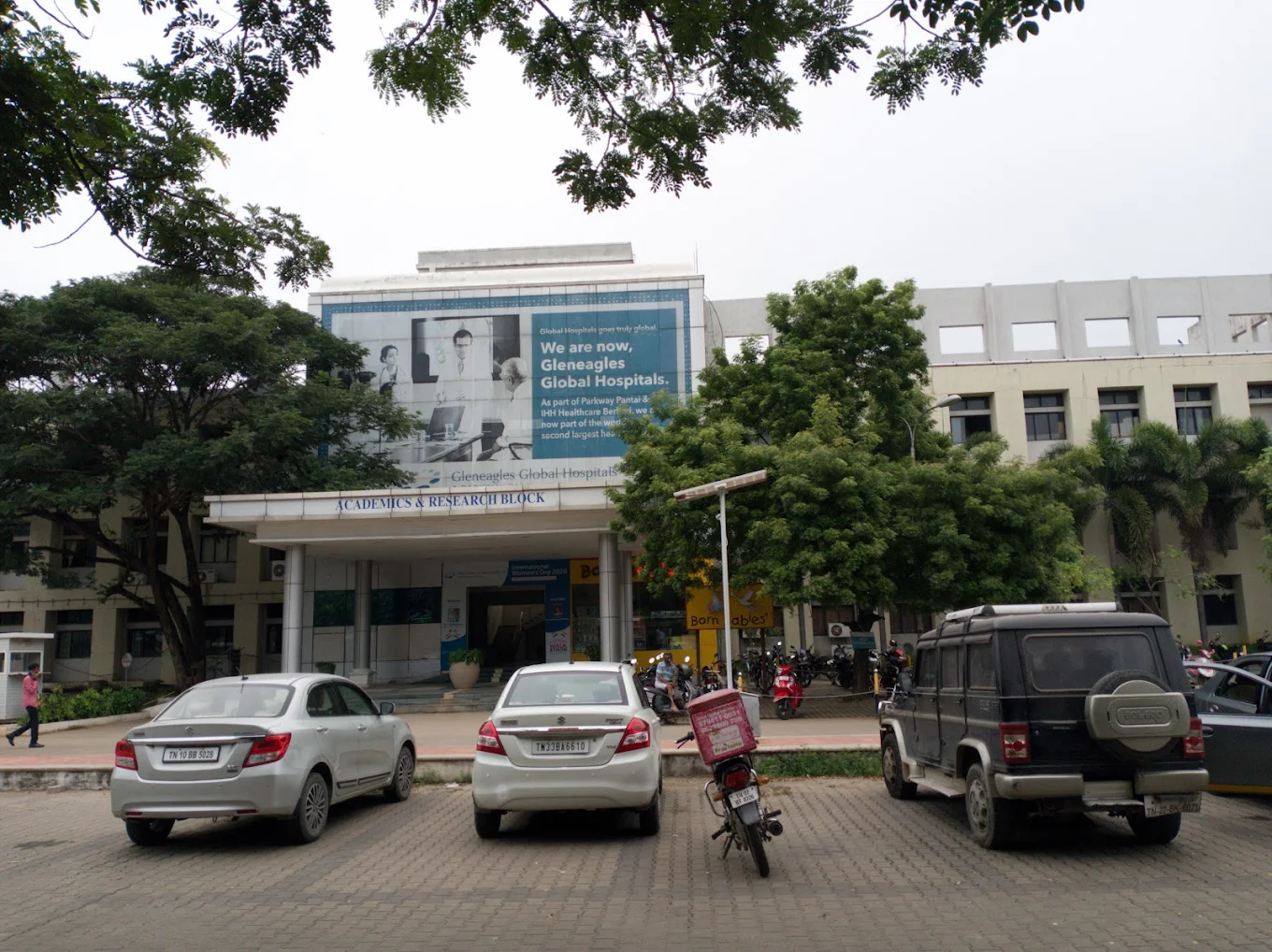 Gleneagles Global Health City Chennai
 Fortis Memorial Research Institute Gurugram
 Yatharth Super Speciality Hospital, Noida Sector 110 Noida
Fortis Escorts Heart Institute New Delhi
Yatharth Super Speciality Hospital, Noida Sector 110 Noida
Fortis Escorts Heart Institute New Delhi
Cardiac Surgery doctors

Frequently asked questions
How long will I actually be in India?
Do I need to fly out again for follow-up?
Can I bring someone with me?
What if the surgeon disagrees with my diagnosis at home?
Is a mechanical or tissue valve better for me?
What happens if there is a complication?
Planning Cardiac Surgery in India?
Share your records for a written planning estimate. A clinician reviews them before any plan or price is final.