
- 16 Hospitalslisted in India
- 9 Specialistswith full profiles
- Personal CareCoordinator
- Safe & SecureRecord upload
Liver Transplant in India
Living-donor liver transplant — where the donor, not the waiting list, is the question that decides everything.
Overview
Everything about a liver transplant follows from one question: who is donating. India's programme is built overwhelmingly around living donors — a relative gives a portion of their liver, which regenerates in both people over the following months. Deceased-donor organs exist but are allocated to residents through state registries, so for an international patient the realistic path is a living donor you bring with you.
That reshapes the whole enquiry. Before cost, before hospital choice, the questions are: is there a willing adult relative, are they blood-group compatible, are they healthy enough to donate safely, and can the relationship be documented to the satisfaction of Indian law? A transplant unit will assess all four before it will discuss a date.
On the law, plainly: organ donation in India must be altruistic. Buying or selling an organ is a criminal offence, and transplants involving foreign nationals are scrutinised carefully — you will need your embassy or high commission to certify the relationship between donor and recipient, and an authorisation committee reviews the case. Any agent who offers to arrange an unrelated donor is offering to commit a crime, and the hospital will not proceed.
Where a donor exists, the units we work with perform adult living-donor right-lobe transplants, paediatric transplants using a left lateral segment, ABO-incompatible transplants where blood groups do not match, and deceased-donor transplants for eligible patients. The commonest indications are cirrhosis from hepatitis B or C, alcohol-related liver disease after a documented period of abstinence, non-alcoholic fatty liver disease, and hepatocellular carcinoma within accepted criteria.
Why consider India for Liver Transplant?
India performs a large annual volume of living-donor liver transplants, and a handful of its units are among the most experienced anywhere at the operation. In a procedure this technically demanding — the surgeon is operating on two healthy-enough-to-be-risky people at once — that experience is the main thing you are buying.
Cost is the other half. A liver transplant runs $500,000 or more in the United States. In India the total, covering both donor and recipient surgery, the ICU stay and the initial immunosuppression, typically falls between $28,000 and $45,000. Long-term immunosuppressant drugs are also manufactured locally, which matters enormously — this is a medication you take for life, and its ongoing cost is part of the real price of a transplant.
The units also run ABO-incompatible programmes, which widens the donor pool when the obvious relative is the wrong blood group. It costs more and requires additional preparation, but it converts an impossible case into a possible one reasonably often.
What to be clear-eyed about: this is major surgery for two people. Living liver donation carries a real, if small, risk of serious complication for the donor, and any unit that presents donation as trivial should worry you. A good programme assesses the donor independently, gives them a private opportunity to withdraw, and treats their safety as non-negotiable.
Key benefits
- High-volume living-donor programmes with independent donor assessment
- ABO-incompatible transplant available where blood groups do not match
- Paediatric transplant using left lateral segment grafts
- Full legal and documentation guidance for the authorisation committee
- Locally manufactured lifelong immunosuppressants at a fraction of Western cost
- Total cost covering donor and recipient surgery, ICU and initial medication
Outcomes
Outcomes depend on the individual case. Ask the treating specialist what to expect for you.
Liver Transplant cost in India
A living-donor liver transplant typically totals $28,000-$45,000, and that figure should cover both operations, donor and recipient ICU and ward stay, the transplant workup, and immunosuppression during admission. ABO-incompatible transplants usually add $6,000-$10,000 because of the additional preparation. Paediatric transplants are broadly in the same range as adult.
Budget separately for the part that does not end at discharge: three months of accommodation for the family near the hospital, and lifelong immunosuppressant medication, which commonly runs $100-$250 a month in India and more if you buy it elsewhere. Ask the unit to write down the expected monthly drug cost — it is a real part of affording a transplant, and it is routinely left out of quotes.
Planning estimates in US dollars, not quotes. The final price is set only after the hospital reviews your records.
Liver Transplant treatments and procedures
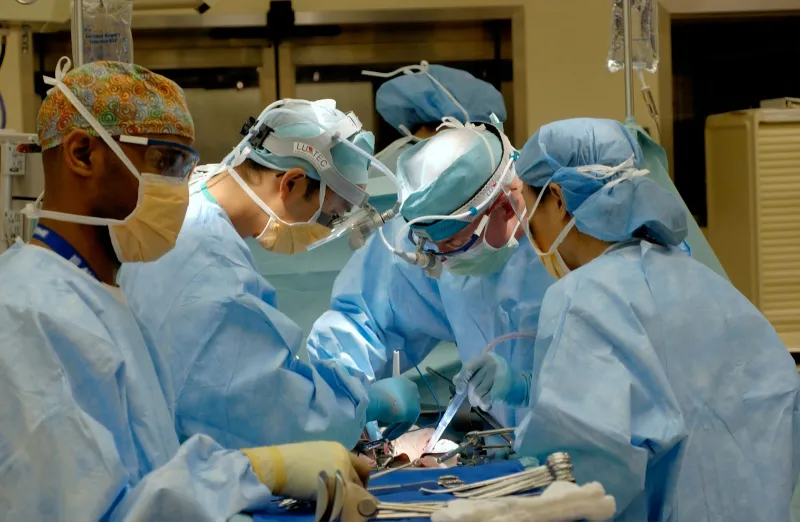

Hospitals for Liver Transplant
 Indraprastha Apollo Hospitals New Delhi
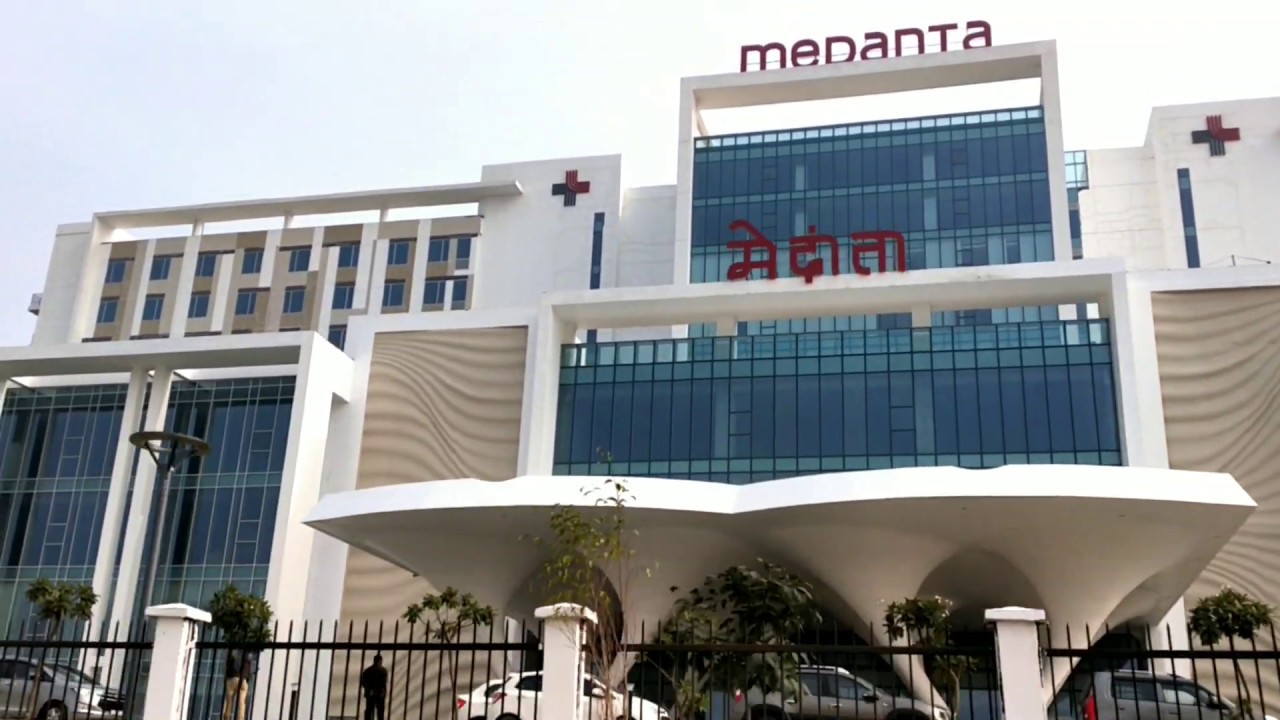 Medanta - The Medicity Gurugram
 BLK-Max Super Speciality Hospital New Delhi
 Max Super Speciality Hospital, Saket New Delhi
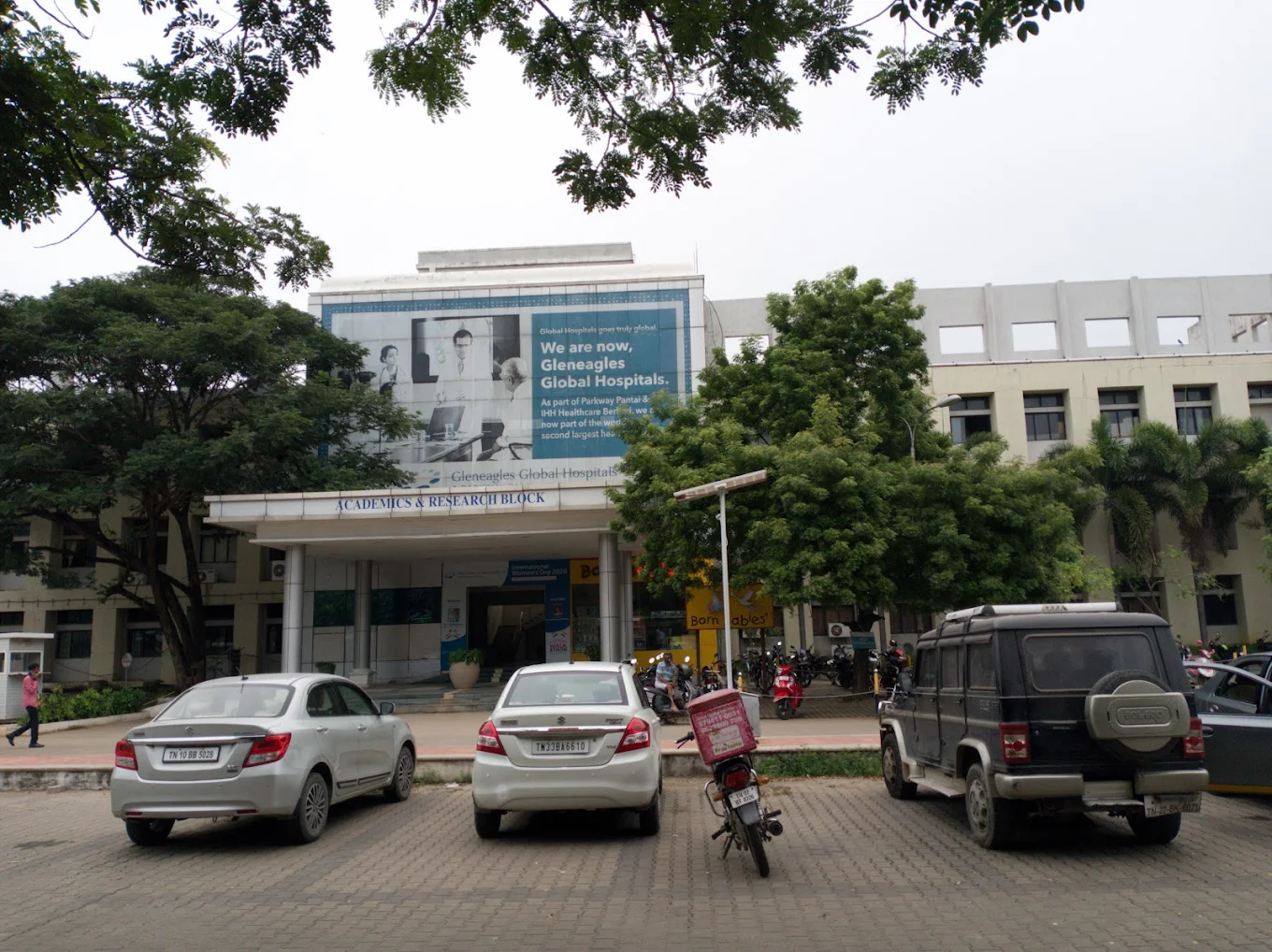 Gleneagles Global Health City Chennai
 Fortis Memorial Research Institute Gurugram
 Yatharth Super Speciality Hospital, Noida Sector 110 Noida
Paras Health Gurugram Gurugram
Yatharth Super Speciality Hospital, Noida Sector 110 Noida
Paras Health Gurugram Gurugram
Liver Transplant doctors
Frequently asked questions
Who is allowed to donate part of their liver to me?
Is it safe for my donor?
How long does the whole process take?
What documents do I need to bring?
What if my blood group does not match my donor?
Will I be on medication for the rest of my life?
Planning Liver Transplant in India?
Share your records for a written planning estimate. A clinician reviews them before any plan or price is final.