
- 16 Hospitalslisted in India
- 9 Specialistswith full profiles
- Personal CareCoordinator
- Safe & SecureRecord upload
IVF in India
IVF and fertility treatment — with success rates quoted per cycle and per age, which is the only way they mean anything.
Overview
Fertility clinics advertise success rates more aggressively than any other specialty, and the numbers are frequently constructed to flatter. A clinic quoting "70% success" is usually reporting cumulative results across several cycles, or per embryo transfer rather than per cycle started, or in a selected group of younger patients. Ask instead for the live birth rate per cycle started, for women in your age band, at that clinic. That number is much lower and much more useful.
Age is the dominant variable and no laboratory changes it. Using a woman's own eggs, live birth rates per cycle are commonly around 35-40% under 35, falling to roughly 25-30% in the late thirties, and into single figures past 42. Anyone suggesting otherwise is selling something. Donor-egg cycles behave differently, because the relevant age becomes the donor's.
The clinics we work with offer conventional IVF and ICSI, frozen embryo transfer, egg and embryo freezing, blastocyst culture, preimplantation genetic testing, surgical sperm retrieval by TESA or PESA, and donor egg and donor sperm programmes. Where the problem is simpler — anovulation, mild male-factor — IUI is offered first, and a clinic that suggests trying it before IVF is being straight with you.
One legal point international couples must know before planning anything: commercial surrogacy is prohibited in India, and surrogacy arrangements for foreign nationals are heavily restricted under current law. Donor gamete treatment is regulated and available within defined rules. If a clinic or agent offers a surrogacy package, get independent legal advice before paying anyone.
Why consider India for IVF?
Cost per attempt is the clearest reason. A single IVF cycle costs $12,000-$20,000 in the United States and £5,000-£8,000 in the UK; in India the same cycle with ICSI typically runs $2,500-$4,000. Because IVF is rarely a one-cycle proposition, what actually matters is the cost of three attempts — and for many couples that is the difference between being able to try properly and stopping after one disappointment.
Waiting times are short, and treatment can usually begin with the next cycle after your workup. For patients in their late thirties and early forties, where each year of delay measurably reduces the chance of success, that speed is a clinical advantage rather than a convenience.
Indian laboratories also offer the full range of add-on techniques — blastocyst culture, vitrification, PGT-A for chromosomal screening, time-lapse incubation. Worth knowing: most of these add-ons have weaker evidence than their marketing implies, and PGT-A in particular does not improve live birth rates for most patients. A clinic that declines to sell you an add-on you do not need is demonstrating something useful about itself.
The plain caveat: IVF fails more often than it works, in every country, at every price. A good clinic tells you your realistic odds before you start, explains what it would change on a second attempt, and is willing to say when further cycles are unlikely to help.
Key benefits
- Live birth rates quoted per cycle started and per age band, on request
- IVF, ICSI, frozen transfer, blastocyst culture and PGT under one roof
- Surgical sperm retrieval — TESA and PESA — for severe male-factor infertility
- Regulated donor egg and donor sperm programmes
- Cost per cycle low enough to plan a realistic three-attempt course
- Treatment can usually begin with your next cycle after workup
Outcomes
Outcomes depend on the individual case. Ask the treating specialist what to expect for you.
IVF cost in India
A standard IVF cycle typically runs $2,500-$3,500, with ICSI included or adding a few hundred dollars. Frozen embryo transfer from existing embryos is usually $800-$1,500. PGT adds roughly $1,500-$2,500 depending on how many embryos are tested. Donor-egg cycles commonly total $4,500-$7,000, and surgical sperm retrieval adds around $600-$1,200.
Medication is the item most often left out of the headline price, and it is not small — commonly $700-$1,500 per cycle, varying with your ovarian reserve and protocol. Ask for a quote that states the drug cost separately, and budget for three cycles rather than one, because that is how IVF actually works.
Planning estimates in US dollars, not quotes. The final price is set only after the hospital reviews your records.
IVF treatments and procedures

Hospitals for IVF
 Indraprastha Apollo Hospitals New Delhi
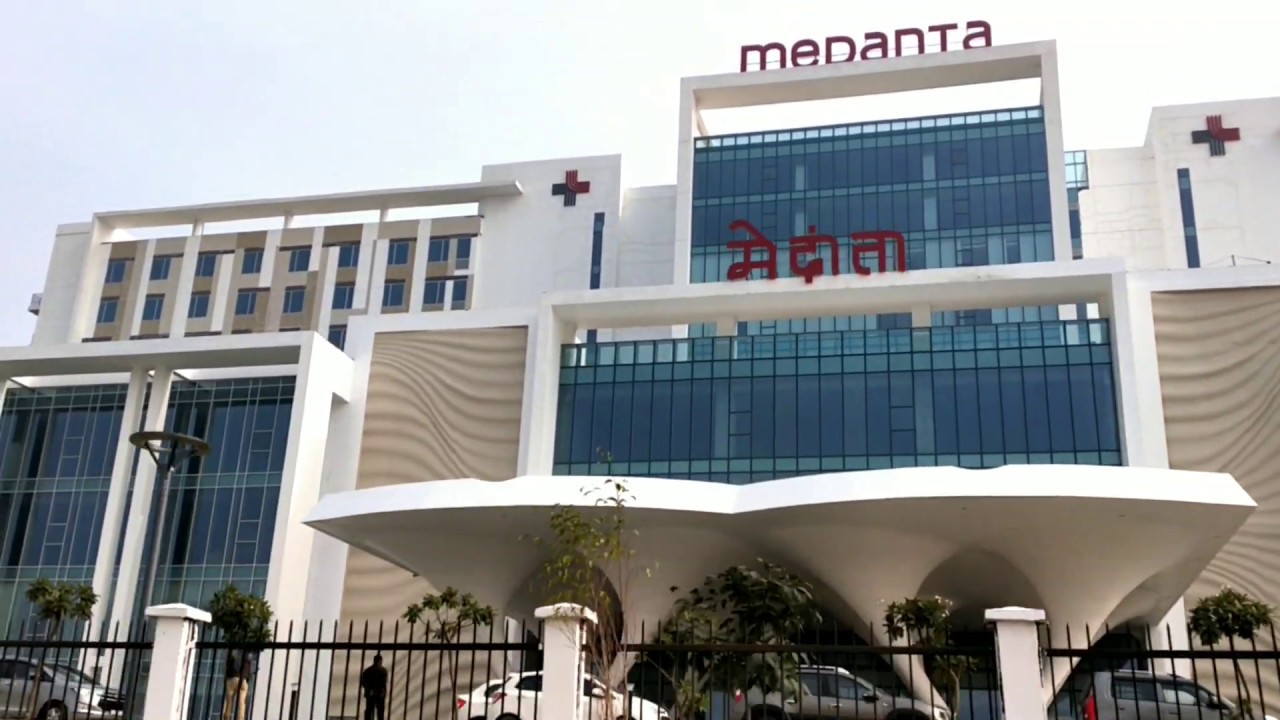 Medanta - The Medicity Gurugram
 BLK-Max Super Speciality Hospital New Delhi
 Max Super Speciality Hospital, Saket New Delhi
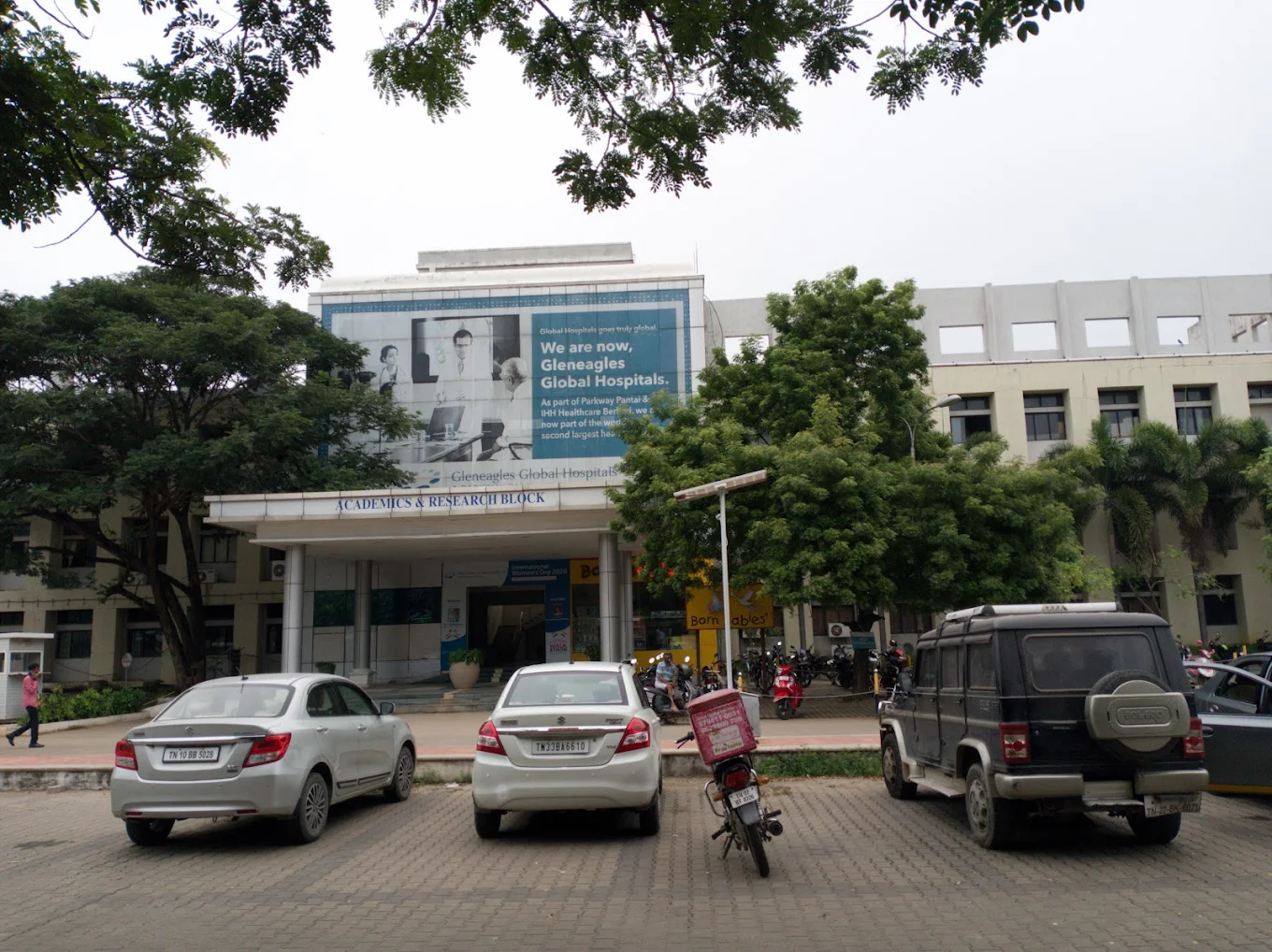 Gleneagles Global Health City Chennai
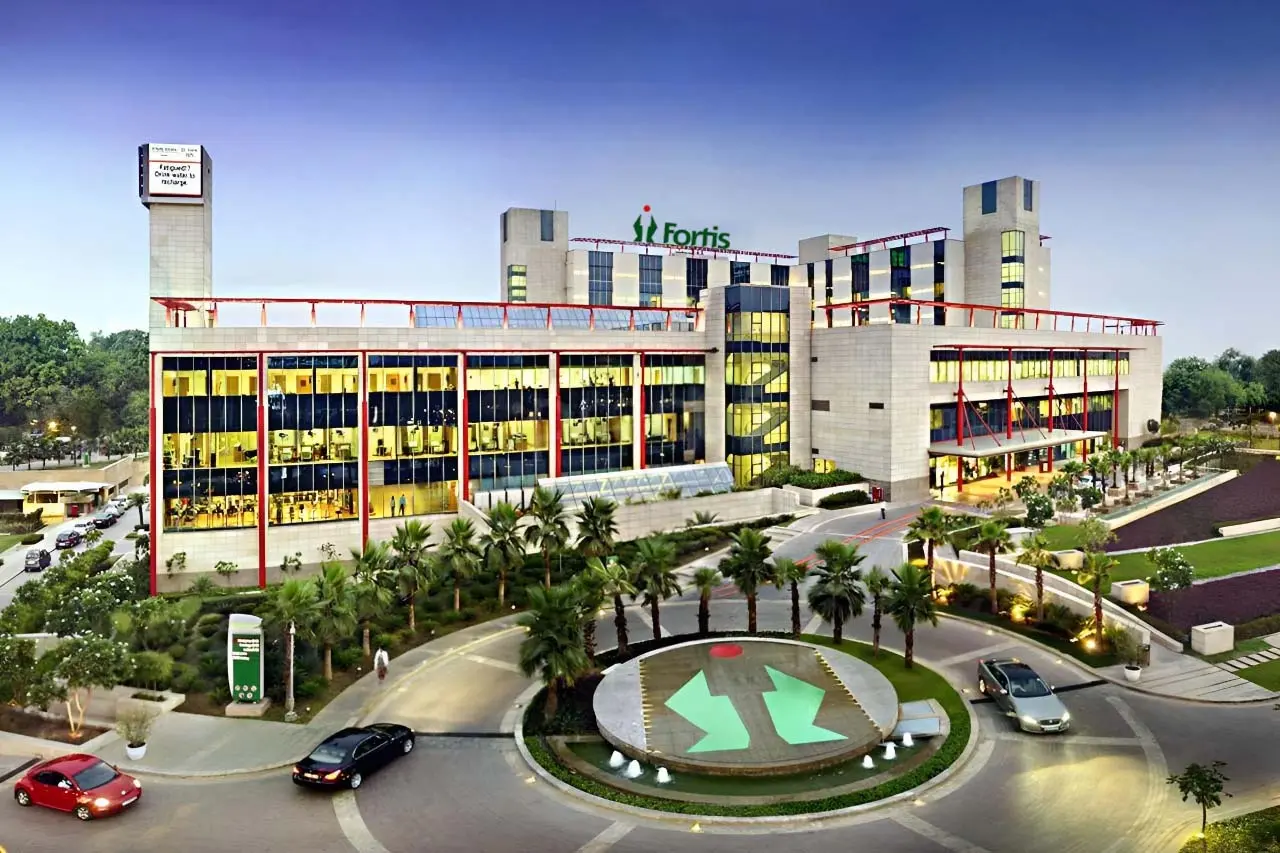 Fortis Memorial Research Institute Gurugram
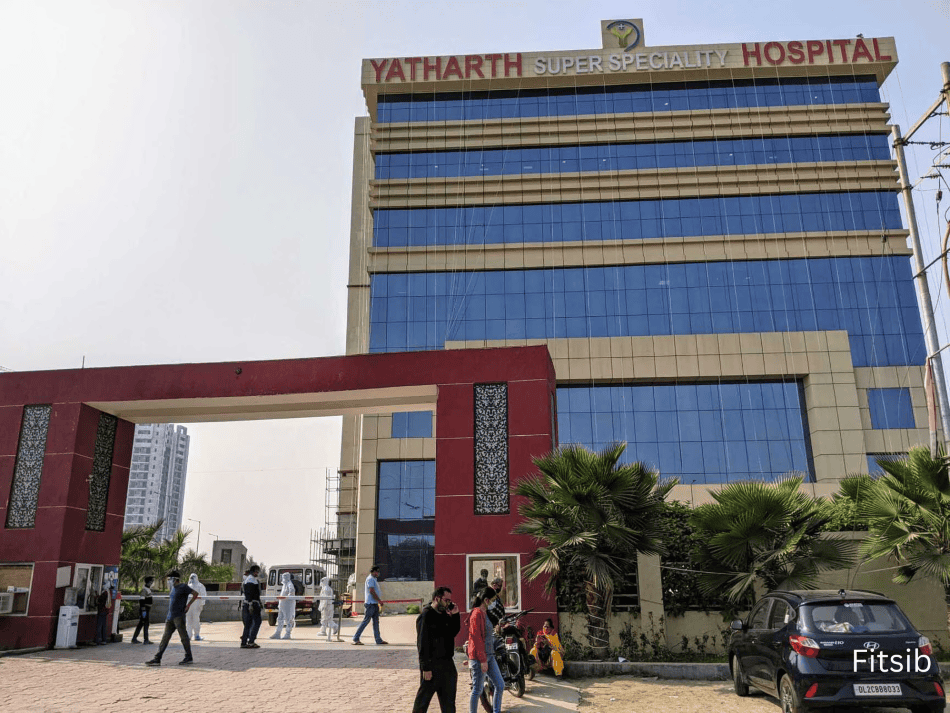 Yatharth Super Speciality Hospital, Noida Sector 110 Noida
Yatharth Super Speciality Hospital, Noida Extension Noida
Yatharth Super Speciality Hospital, Noida Sector 110 Noida
Yatharth Super Speciality Hospital, Noida Extension Noida
IVF doctors
Frequently asked questions
What success rate should I actually expect?
How long do we need to be in India?
Is ICSI better than conventional IVF?
Should we pay for PGT-A embryo screening?
What is the legal position on surrogacy and donors?
How many cycles should we plan for?
Planning IVF in India?
Share your records for a written planning estimate. A clinician reviews them before any plan or price is final.