
- 16 Hospitalslisted in India
- 9 Specialistswith full profiles
- Personal CareCoordinator
- Safe & SecureRecord upload
Cancer Treatment in India
Chemotherapy, radiotherapy, surgery and transplant — priced per cycle and per plan, not as one number.
Overview
Cancer is the one category where anybody quoting you a single figure before seeing your reports is guessing. Two people with the same diagnosis on paper can need treatment that differs by a factor of ten, because what drives the cost is the stage, the tissue type, the molecular markers and whether the plan is curative or aimed at control.
So the useful question is not "what does cancer treatment cost in India" but "what does my protocol cost, and how many cycles of it". That is answerable, usually within two to three working days of an oncologist seeing your biopsy report, staging scans and pathology.
Larger cancer centres run the full sequence in one place: diagnostics and staging, including PET-CT and immunohistochemistry; surgical oncology, laparoscopic and robotic; medical oncology covering chemotherapy, targeted therapy and immunotherapy; radiation using IMRT, IGRT, stereotactic techniques and, in some centres, proton therapy; and bone marrow transplant, both autologous and allogeneic. Palliative and pain services sit alongside, which matters when the honest plan is control rather than cure.
One thing worth knowing before you compare quotes: many newer cancer drugs are manufactured in India, and generic and biosimilar versions of drugs still under patent elsewhere are legally available. For a long targeted-therapy or immunotherapy course, that single fact often moves the total more than the hospital you choose.
Why consider India for Cancer Treatment?
The drug supply is the substantive reason. A course of targeted therapy that costs six figures a year in the United States or Europe can cost a fraction of that in India, because the same molecule is made locally. For a patient on maintenance therapy for two years, that is not a discount — it is the difference between finishing the protocol and stopping early.
The second reason is that staging and treatment are not separated by months. PET-CT, biopsy and a tumour board review typically happen inside a week, and the first cycle or the surgical date follows. In systems where each of those steps carries its own wait, the tumour has moved before treatment starts.
Third, the tumour board model is normal here rather than exceptional. A surgical oncologist, a medical oncologist, a radiation oncologist and a pathologist reviewing your case together produces a better plan than any one of them alone — and it is a reasonable thing to ask a hospital to confirm it does before you commit.
What travel does not fix: cancer treatment is long. If your protocol is six months of chemotherapy plus six weeks of daily radiation, you are either living in India for that period or splitting care between two countries — which is workable, but only if it is planned deliberately with both teams rather than improvised halfway through.
Key benefits
- Written protocol and per-cycle costing before you travel, not a single lump figure
- Locally manufactured targeted and immunotherapy drugs at a fraction of Western prices
- Staging, tumour board and first cycle typically inside two weeks
- PET-CT, IMRT/IGRT, stereotactic radiotherapy and BMT available in one hospital
- Split-care plans supported where treatment continues at home
- Palliative and pain management available where the goal is control, not cure
Outcomes
Outcomes depend on the individual case. Ask the treating specialist what to expect for you.
Cancer Treatment cost in India
Rather than one figure, expect a plan built from parts. Staging with PET-CT usually runs $300-$600. Cancer surgery ranges from roughly $2,500 for a straightforward procedure to $8,000-$12,000 for major or robotic resections. Chemotherapy is priced per cycle, commonly $400-$1,200 depending on the drugs; targeted therapy and immunotherapy vary far more. A full radiotherapy course typically falls between $3,000 and $6,000, and bone marrow transplant is the largest item at roughly $18,000-$40,000 depending on autologous or allogeneic.
Ask for the number of cycles, not just the price of one, and ask what happens to the total if the protocol is extended or changed. That single question separates a quote you can plan around from a number that will move.
Planning estimates in US dollars, not quotes. The final price is set only after the hospital reviews your records.
Cancer Treatment treatments and procedures

Hospitals for Cancer Treatment
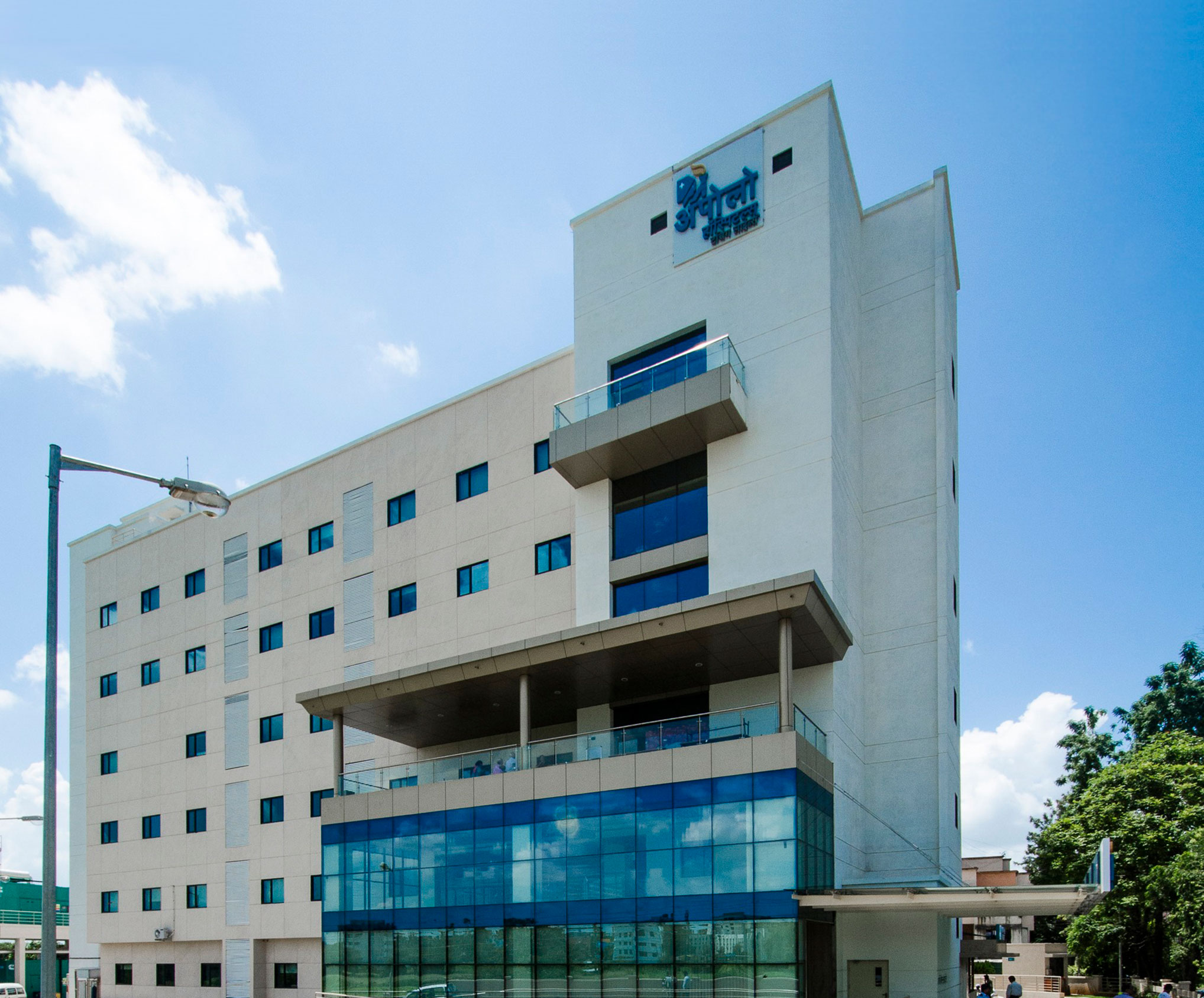 Indraprastha Apollo Hospitals New Delhi
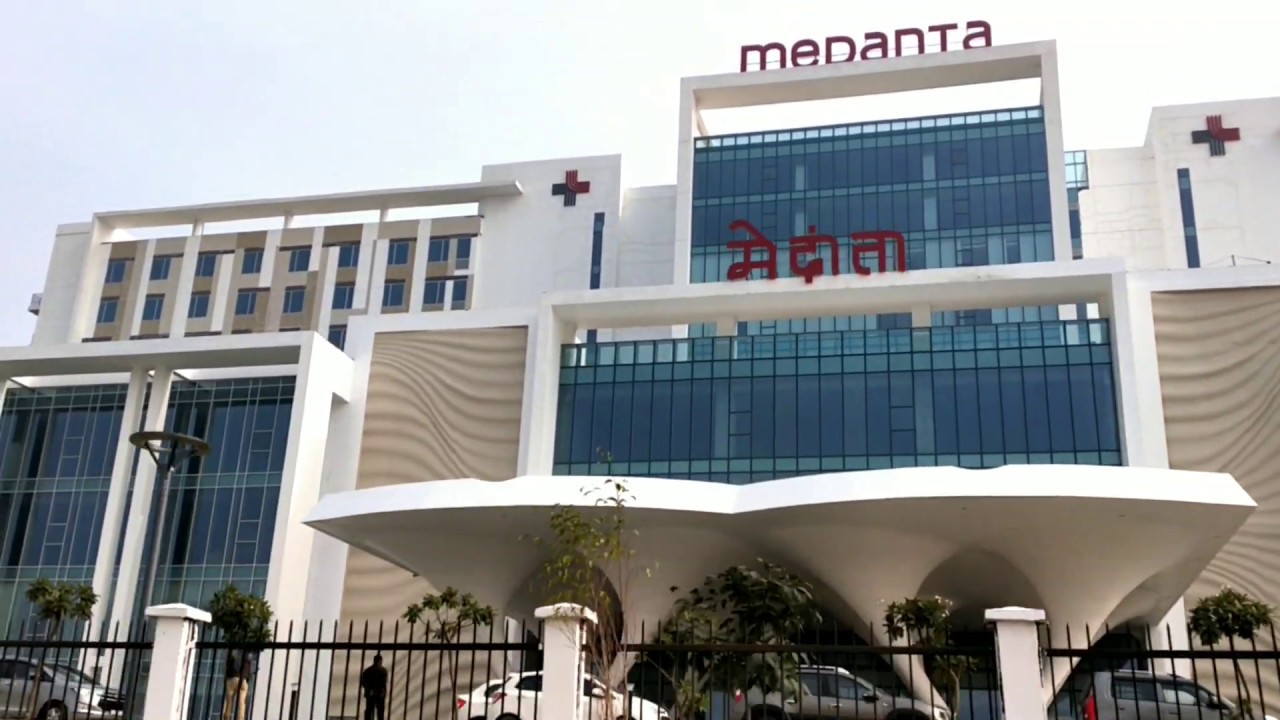 Medanta - The Medicity Gurugram
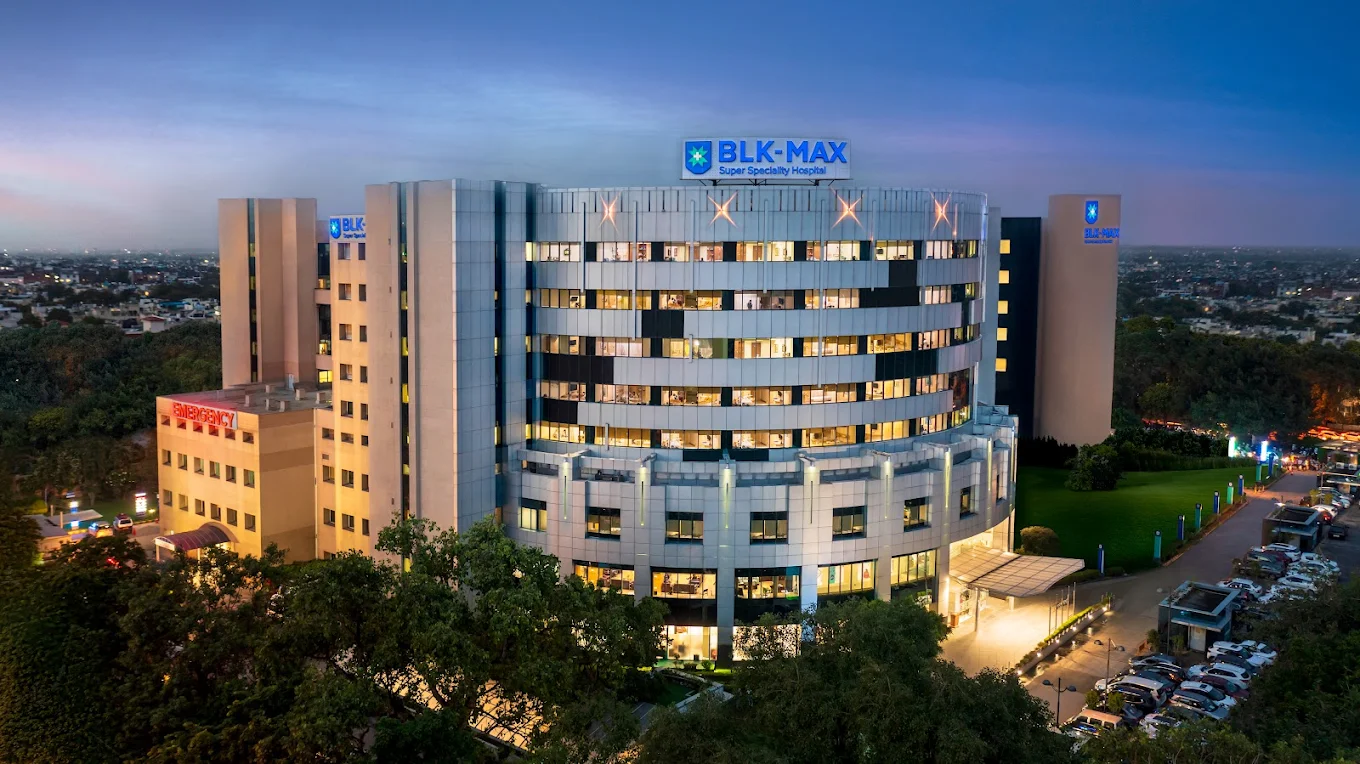 BLK-Max Super Speciality Hospital New Delhi
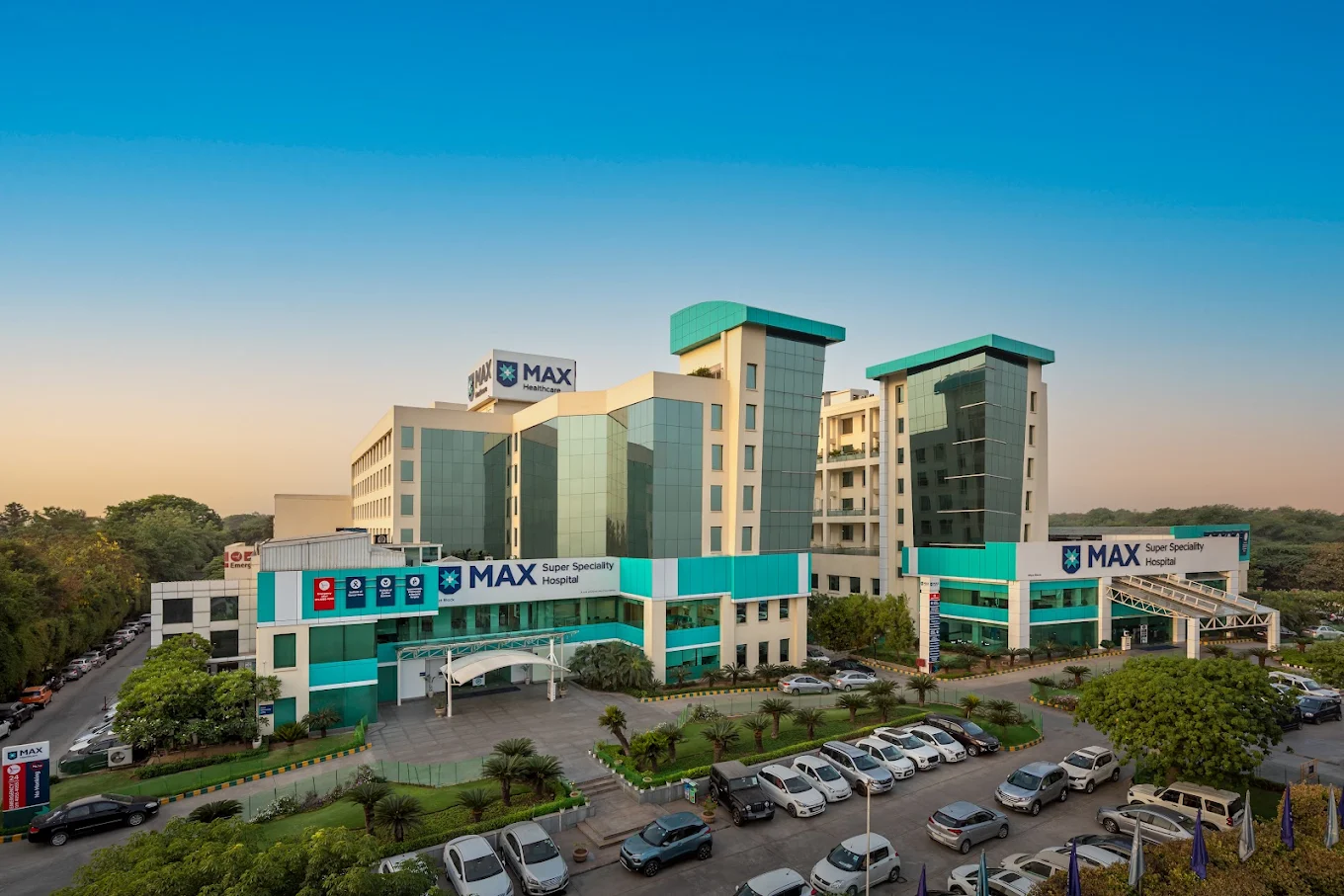 Max Super Speciality Hospital, Saket New Delhi
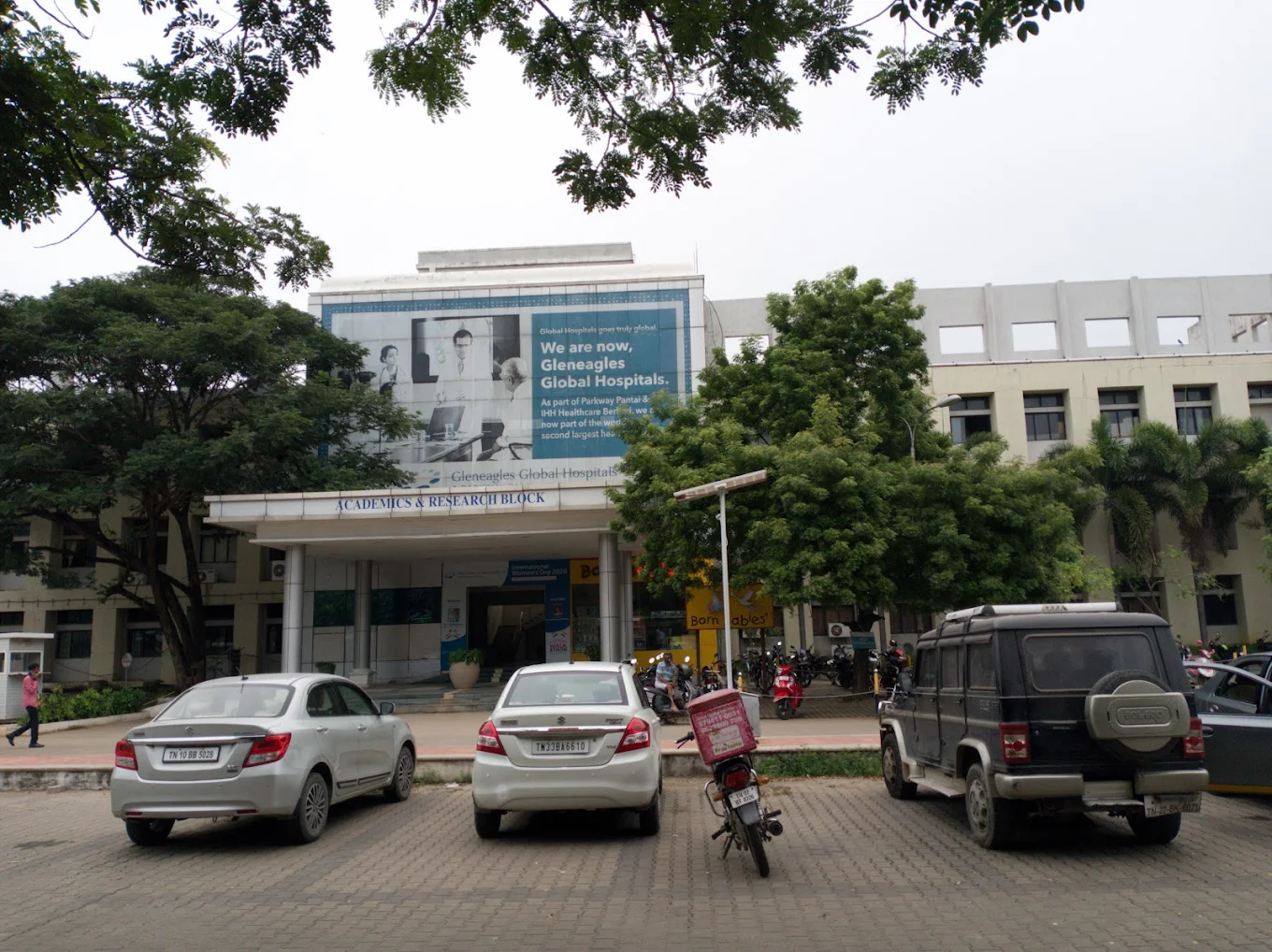 Gleneagles Global Health City Chennai
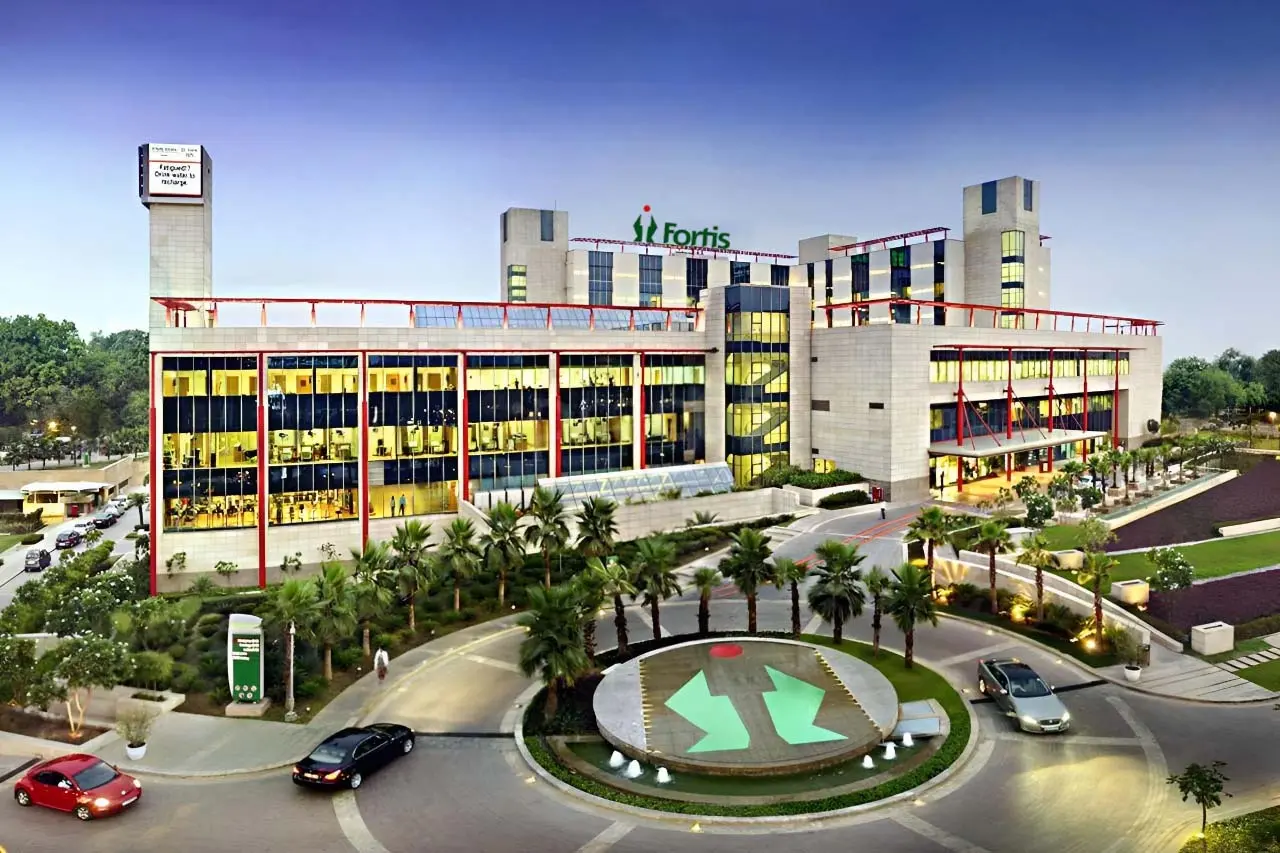 Fortis Memorial Research Institute Gurugram
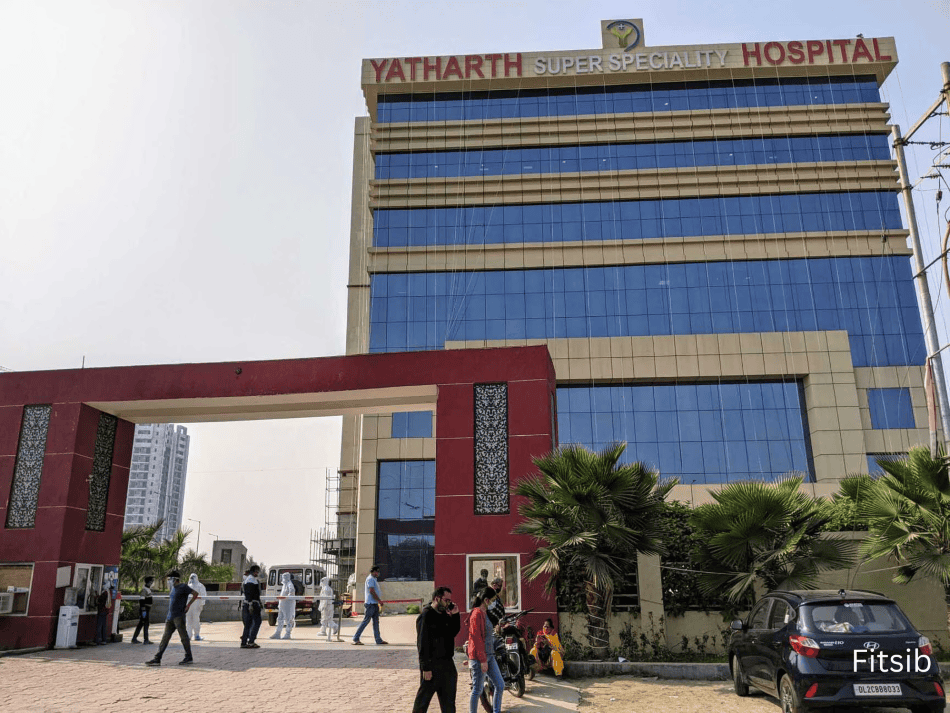 Yatharth Super Speciality Hospital, Noida Sector 110 Noida
Fortis Escorts Heart Institute New Delhi
Kailash Hospital Noida Noida
Fortis Hospital Noida Noida
Yatharth Super Speciality Hospital, Noida Sector 110 Noida
Fortis Escorts Heart Institute New Delhi
Kailash Hospital Noida Noida
Fortis Hospital Noida Noida
Cancer Treatment doctors
Frequently asked questions
Why will nobody give me a total price up front?
Can I start treatment in India and finish at home?
Are the generic cancer drugs the same as the branded ones?
How soon can treatment start after I arrive?
Should I bring my slides and scans, or repeat everything?
Is proton therapy worth travelling for?
Planning Cancer Treatment in India?
Share your records for a written planning estimate. A clinician reviews them before any plan or price is final.